Why AI Chatbots Aren't AI Direct Reports (And Why It Matters)
Chatbots are tools you use. AI direct reports work for you. Here's the difference — and why it changes everything.
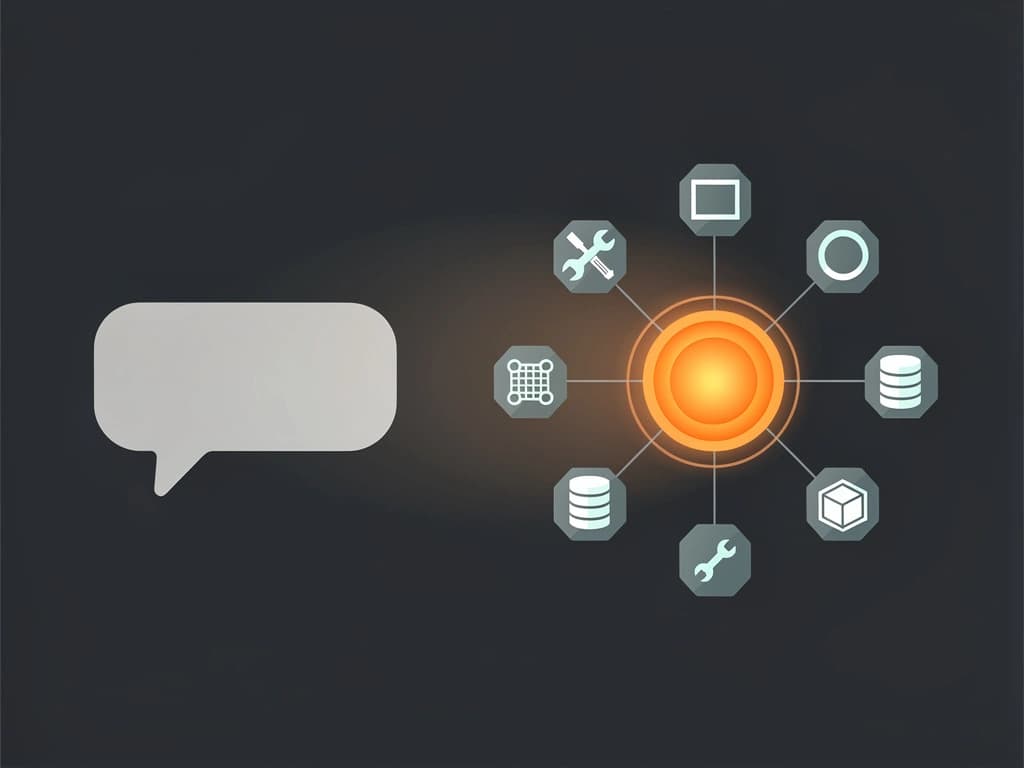
Every business has tried a chatbot by now. Most have walked away underwhelmed. That's not a failure of AI — it's a category error. You were using a screwdriver to drive a nail.
Here's the real distinction: chatbots are tools. AI direct reports are teammates.
The Chatbot Problem: Zero Memory, Zero Initiative
A chatbot starts from scratch every single time. You open a window, type a question, get an answer. Next conversation? Same starting point. It doesn't know what you told it last Tuesday. It doesn't know your name unless you say it. It has no awareness of what happened yesterday, what's due tomorrow, or what you've been wrestling with for the past month.
This isn't a technical limitation waiting to be solved — it's a fundamental design choice. Chatbots are stateless by default. They're search engines with a friendly interface.
The result: you end up doing the remembering. You're the project manager. You're the context carrier. The chatbot just provides outputs when prompted.
Copilots: Marginal Gains, Same Ceiling
Copilots took things a step further. They integrated into your tools — your email, your code editor, your documents. They offered suggestions, completed your sentences, drafted your replies.
The improvement was real. But the ceiling stayed the same: you still have to drive.
A copilot makes you 20% faster at tasks you're already doing. It doesn't notice when something needs doing. It doesn't wake up at 3am and flag an anomaly in your financials. It doesn't follow up on a deal that went cold. It waits.
Agents: Close, But Still Broken
Then came "agents." The promise was huge: AI that could take multi-step actions, browse the web, call APIs, run workflows. And technically, that's all true.
But the enterprise agent setups we've seen? They require serious engineering to deploy. They break constantly. They have no persistent memory across sessions. And critically — they're still command-driven. They sit idle until you give them an explicit task.
An employee who sits idle until explicitly commanded is not an employee. That's a contractor with a very fast response time.
The Leap: From Tool to Teammate
A real AI direct report operates differently. It:
- Remembers everything — your preferences, ongoing projects, past decisions, client context
- Monitors proactively — watching for anomalies, deadlines, opportunities, and risks without being asked
- Acts on its own initiative — drafting the weekly report before you ask, flagging the contract clause that needs your attention, following up on the prospect who went quiet
- Communicates like a colleague — not "here is the information you requested" but "hey, this looks off, here's what I'd recommend"
The mental model shift is simple: stop thinking about AI as something you use, and start thinking about it as someone who works for you.
Why This Matters for Your Business
When you hire a financial analyst, you don't give them a task every 30 minutes. You give them a role, some access, and expectations — and they figure out what to do. They're in the numbers every day. They surface what matters.
That's the standard AI direct reports should be held to. Not "did it answer my question" but "is it doing its job?"
Most AI products today don't meet that bar. They're optimized for impressive demos, not reliable daily operation.
We built AI or Die because we got tired of the demo. We run 20+ AI agents in production every day across five business units. Legal, financial, sales, marketing, executive operations — all running continuously, with memory, with tools, with initiative.
The question isn't whether AI can do the work. The question is whether your setup lets it.
That's what we build.
Ready to stop hiring and start deploying?
Book a Free Consult